Movies & shows — tap any title to see where it streams
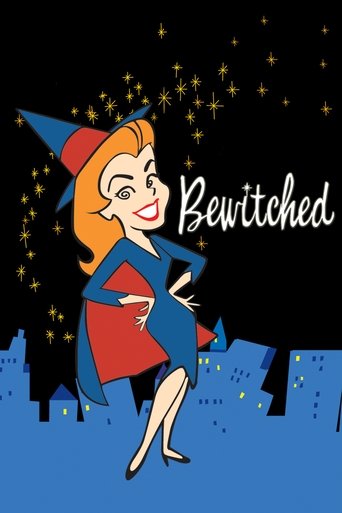
Bewitched
1964 · 7.8
Writer
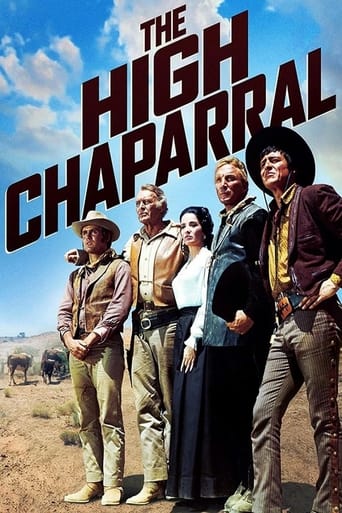
The High Chaparral
1967 · 6.7
Director
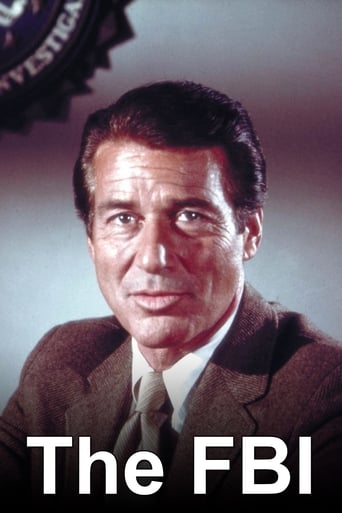
The F.B.I.
1965 · 5.6
Writer
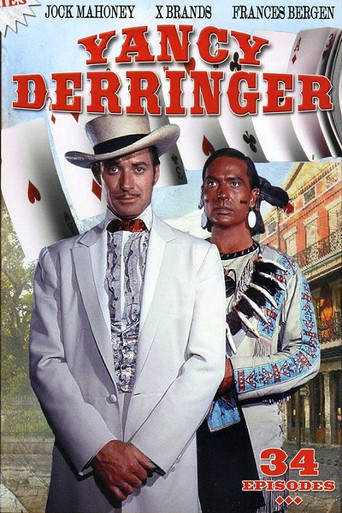
Yancy Derringer
1958 · 6.2
Writer, Director
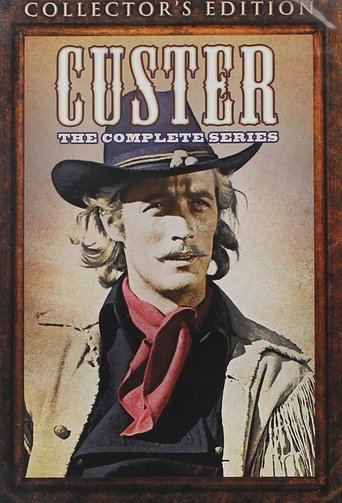
Custer
1967 · 6.4
Writer

Accidental Family
1967 · 6.5
Writer

The Oscar
1966 · 5.1
Novel
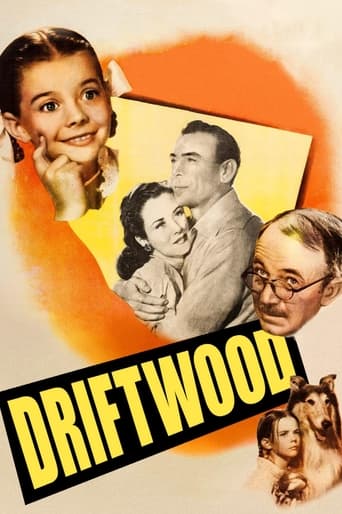
Driftwood
1947 · 6.8
Mailman, Screenplay

Half Angel
1951 · 6.2
Director

The White Buffalo
1977 · 6.0
Novel, Screenplay

Gentlemen Marry Brunettes
1955 · 5.3
Screenplay, Director

Assassination
1987 · 5.7
Writer

My Wife's Best Friend
1952 · 6.0
Director
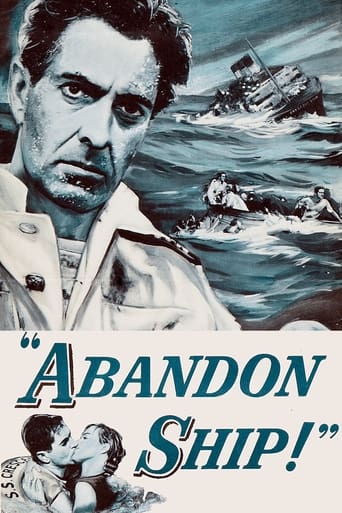
Seven Waves Away
1957 · 7.5
Director, Screenplay

The Dude Goes West
1948 · 5.9
Screenplay
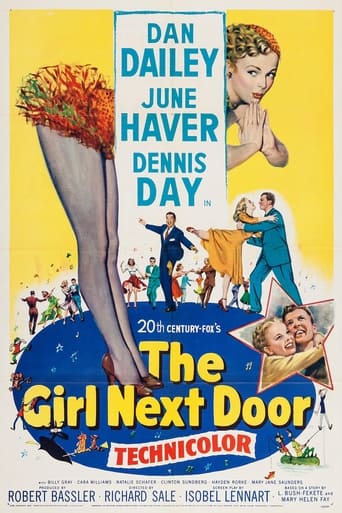
The Girl Next Door
1953 · 5.0
Director

Let's Make It Legal
1951 · 5.6
Director
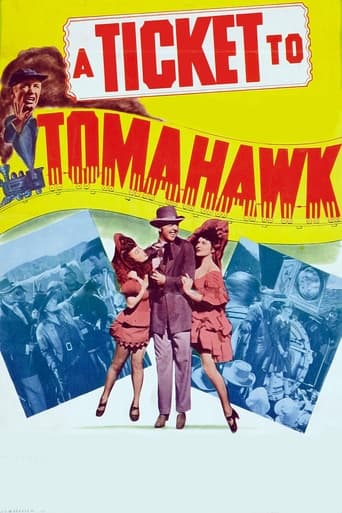
A Ticket to Tomahawk
1950 · 6.0
Director, Screenplay
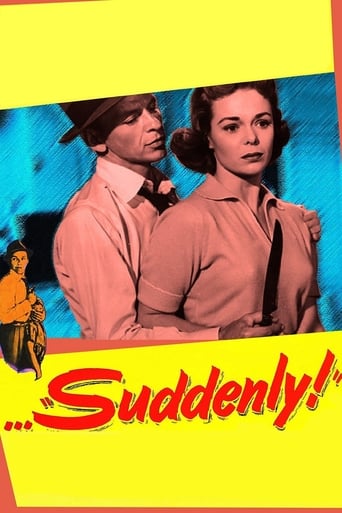
Suddenly
1954 · 6.4
Screenplay

Find the Witness
1937 · 7.0
Story
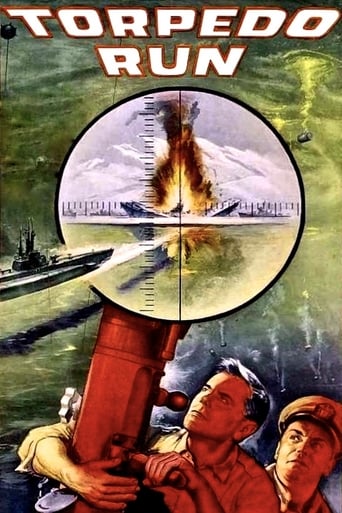
Torpedo Run
1958 · 6.1
Screenplay, Story
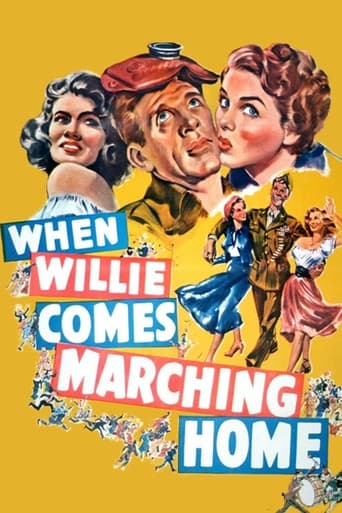
When Willie Comes Marching Home
1950 · 6.9
Screenplay
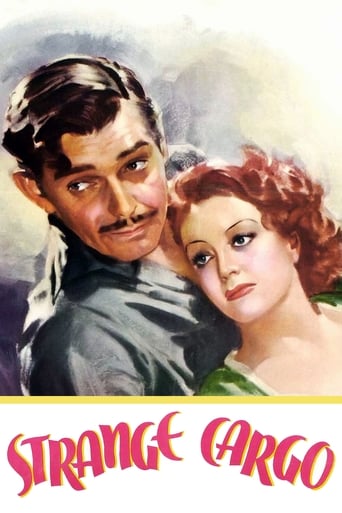
Strange Cargo
1940 · 7.0
Novel

Lady at Midnight
1948 · 9.0
Writer

Woman's World
1954 · 7.2
Writer

Father Was a Fullback
1949 · 6.3
Screenplay
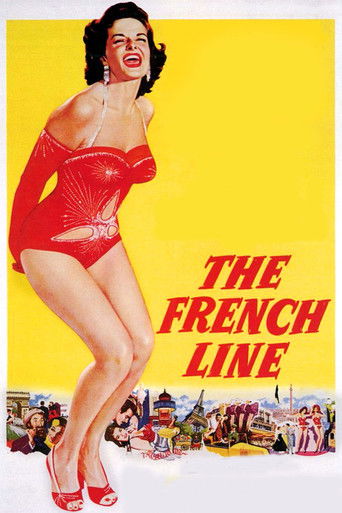
The French Line
1954 · 4.5
Screenplay
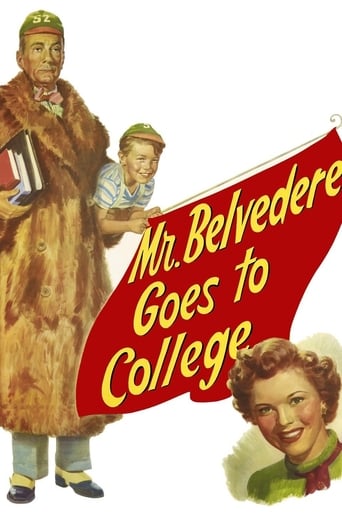
Mr. Belvedere Goes to College
1949 · 7.3
Writer

The Inside Story
1948 · 6.6
Screenplay

Let's Do It Again
1953 · 4.2
Screenplay

This Side of the Law
1950 · 4.8
Story
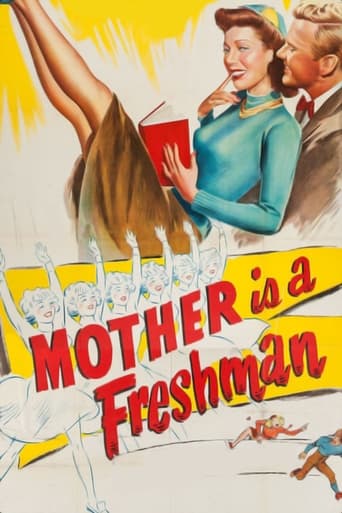
Mother Is a Freshman
1949 · 9.0
Writer
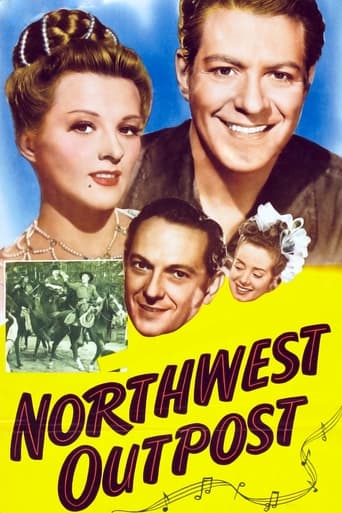
Northwest Outpost
1947 · 8.0
Screenplay
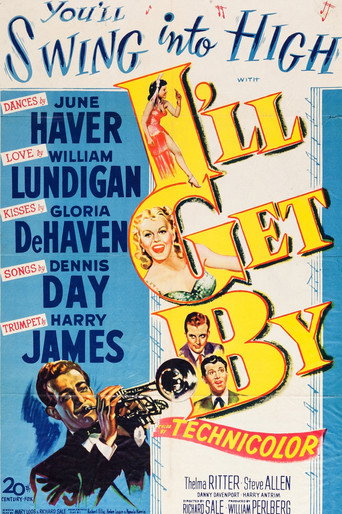
I'll Get By
1950 · 5.9
Director, Screenplay
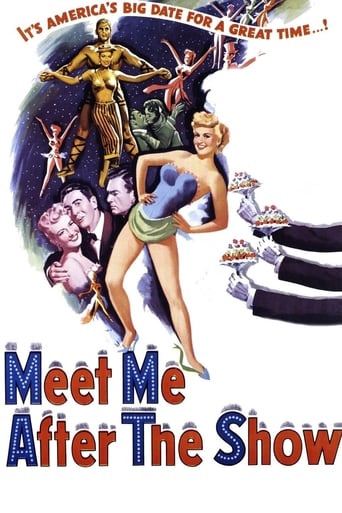
Meet Me After the Show
1951 · 5.4
Director, Screenplay
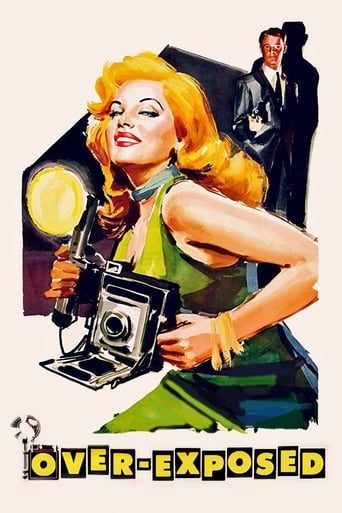
Over-Exposed
1956 · 5.2
Story

Calendar Girl
1947 · 5.6
Screenplay

Malaga
1954 · 5.5
Director

Spoilers of the North
1947 · 5.8
Director

Rendezvous with Annie
1946 · 7.0
Flight Clerk, Screenplay
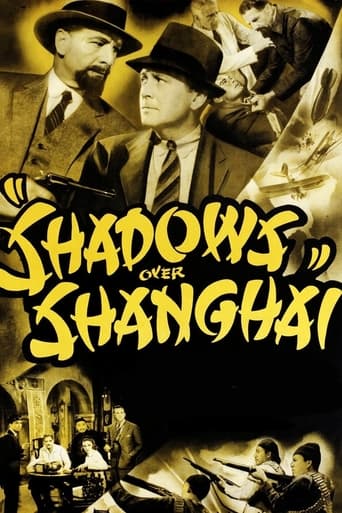
Shadows Over Shanghai
1938 · 5.3
Story
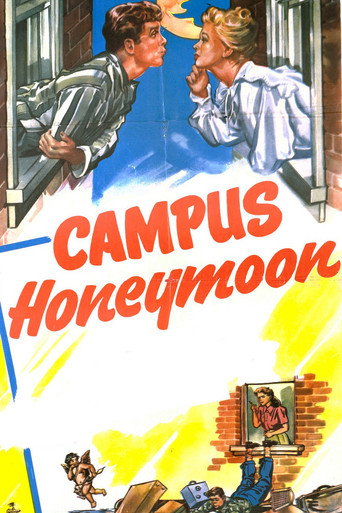
Campus Honeymoon
1948 · 7.0
Director, Writer
